New Water Treatment Standards Drive Need for Improvements
Does your tap water contain radium? You might be surprised to learn that water served to millions of Americans includes trace amounts of this radioactive element. Commonly found in soil and rock, two specific types of radium naturally leach into underground water sources and frequently end up in community water systems (CWS).
Beginning in the early 1980s, the raw water collected in the Iowa town of Toledo has registered radium levels exceeding the enforced national standard of 5 picocuries per liter (pCi/L). Occasionally, these levels reached almost double the permitted amount. In response to the newly revised Environmental Protection Agency (EPA) regulations, upgraded systems were added to the community’s water treatment facility, specifically focusing on radium removal. However, by 2012, this equipment was no longer operating as designed and radium levels had once again crept above the permissible limit.
Snyder & Associates was contracted by city leaders to conduct a comprehensive water system study and develop cost-effective recommendations for improvements. Our goal was to not only address the high radium levels in the water source but also offer practical upgrade options, focusing on capacity issues, hardness, and the removal of other contaminants.
Contaminant Treatment Options Addressed by Facility Upgrades
Our team immediately recognized that ammonia, nitrite, and nitrate were not found in excessive amounts in the raw water source. However, our experts know these levels can easily trend up over time and a functional solution for their treatment would also be necessary.
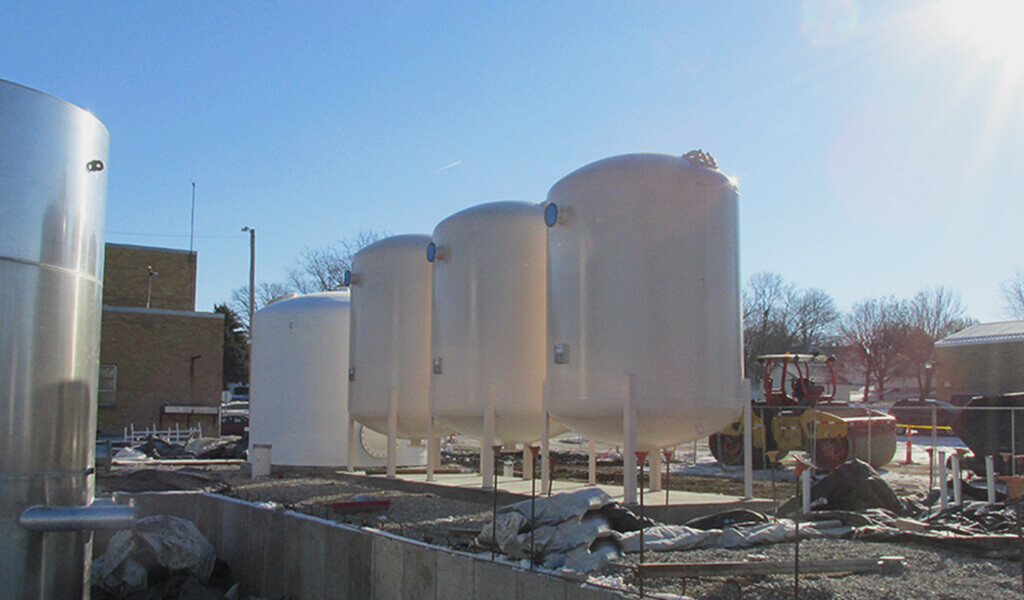
The current treatment protocol used a system that intentionally avoided the addition of chlorine or permanganate. This allowed filters within the system to naturally become biological — a process where microorganisms clean water instead of chemicals. To complement this process, a new system was designed in the same manner to “futureproof” for any possible increases in ammonia levels. This new 800 gallons per minute system consisted of two Aeralater® filtration units that combine aeration, detention, and filtration in one system. Primarily designed for the removal of iron and manganese, these self-contained treatment units are also effective at removing carbon dioxide, hydrogen sulfide, radon, arsenic, and odor removal (ammonia).
Of course, addressing the elevated radium levels was a top priority for both our team and city leaders. So in addition to the Aeralater® units, we also incorporated a new ion exchange softening system into the design to ensure proper radium regulation. Similar to residential water softening equipment, this process offers the advantage of producing fresh, softened water while also having the ability to remove both naturally-occurring radium types.
Ion exchange is a chemical process where unwanted dissolved radium ions are pulled from the composition and exchanged for other harmless ions of a similar charge, producing contaminant-free water. The addition of the softening process allows the treatment center to fully meet current regulations while also adding extra benefits for community users.
To meet industry standards, not all water moving through the plant has to be treated by both the softening and Aeralater® systems. As the percentage of radium removed directly correlates to the rate of water softened, our team included a blend valve which increases or decreases the flow to the softeners. This allows facility operators to have complete control of water quality and seamlessly adjust for changes in radium levels.
Remote Monitoring Adds Convenience and Safety Feature
Our design team also implemented remote monitoring as an updated feature in the Toledo water treatment plant. This setup provides treatment plant staff with real-time access to plant operations via smartphone, desktop, tablet, and other wireless devices. Operators get continuous access to plant controls, allowing them the ability to view and confirm system alarms and make adjustments to the operation while away from the facility.
A significant benefit of remote monitoring is the operator’s ability to assess the severity of a situation to determine if immediate action is needed or if the issue can be dealt with the next day. This system gives operators the upper hand, allowing them the ability to shut down or switchover equipment to maintain compliance and prevent potentially costly repairs.
Strategic Construction Staging Helps Reduce Disruptions
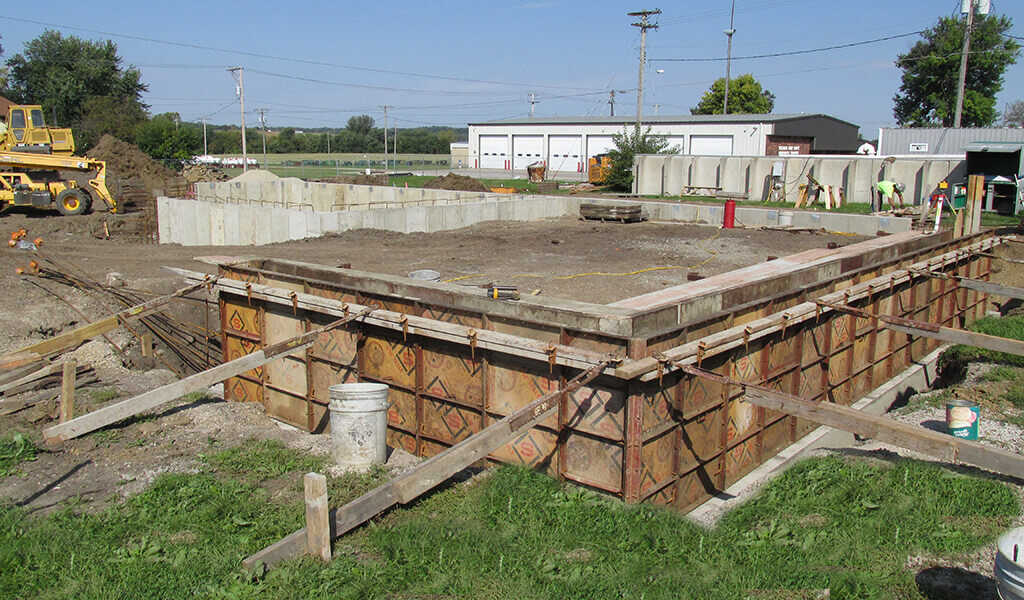
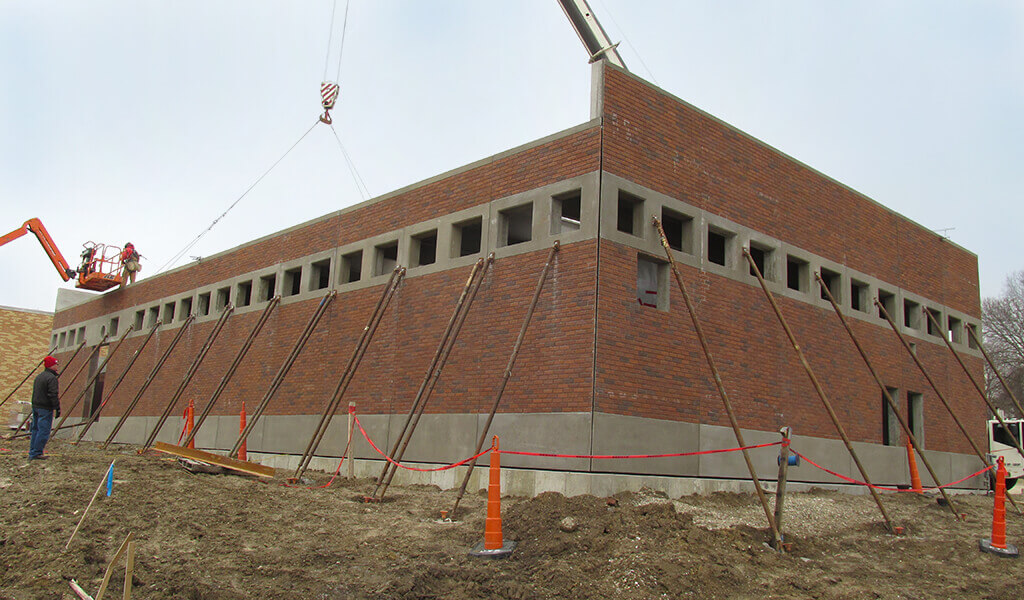
Snyder & Associates professionals are skilled in facing challenges and developing creative solutions. During the early design stages, we realized this project would test those skills and abilities. Our team was faced with constructing a new building within ten feet of the existing facility. It was also situated adjacent to an underground, brick storage tank that had to remain operational throughout construction. To minimize disruption to water production, a carefully staged plan was devised to keep development on track and avoid damage to these existing structures.
To incorporate an existing well, the new treatment facility was positioned as close as constructible to the old facility. By placing both facilities over a single well, operators could switch flows between each plant when necessary as construction proceeded. This process was accomplished through a series of strategic valving and temporary piping systems, allowing the new facility to produce water during the day before switching back to the old plant overnight. The transition between facilities provided our engineers with the necessary time to fine-tune the system, ensuring the new treatment process was operating as required for regulatory compliance. When the new plant was permanently put online, the old plant was decommissioned and the underground storage tank was removed.
At Snyder & Associates, we strive to provide our clients with exceptional treatment facilities while also creating a smooth transition during start-up. To that end, our team administered training for all treatment facility operators to ensure employees were confident in their new environment. These small but important steps work together to create a first-rate facility that meets all regulatory requirements while adding an efficient and reliable asset for the community of Toledo — now, and into the future.